A smile makeover combines cosmetic and restorative techniques to create a brighter, more balanced appearance while improving the health of your teeth. These treatments can renew worn enamel, correct uneven shapes and restore confidence in your smile. This guide explains how a makeover works, which treatments are available and how it can strengthen long term oral health.
Table of Contents
What a Smile Makeover Involves
Signs You May Benefit from a Smile Makeover
Popular Treatments Used in a Smile Makeover
How a Smile Makeover Supports Oral Health
Step by Step Treatment Process
How Long Results Last
Costs and Considerations
Frequently Asked Questions
1. What a Smile Makeover Involves
A smile makeover is a personalised plan that combines aesthetic and functional improvements. Each treatment is selected to refine the colour, shape and balance of your teeth. It can include whitening, veneers, bonding or crowns. The aim is to create a comfortable bite and a result that looks natural in everyday conversation.
Your dentist will assess your teeth, gums and bite before recommending a plan. If you want to read more about treatment options, you can view the clinic’s page on cosmetic dentistry treatments.
2. Signs You May Benefit from a Smile Makeover
Adults often choose a makeover when they feel their smile no longer reflects how they wish to present themselves. You may be a good candidate if you have:
Long term staining
Visible chips or worn enamel
Gaps or uneven spacing
Irregular surfaces
Mild misalignment
Discomfort when chewing
According to the Australian Institute of Health and Welfare, one in three adults feel self conscious about their teeth, usually due to staining or chipped enamel.
Source: https://www.aihw.gov.au/reports/dental-oral-health/adult-oral-health
A smile makeover addresses these concerns carefully so you can feel more comfortable with your appearance.
3. Popular Treatments Used in a Smile Makeover
Each makeover is unique. Your dentist may recommend one or a combination of the following treatments.
Porcelain Dental Veneers
Veneers improve the shape, shade and symmetry of your teeth. They cover the front surface and are matched to your preferred colour. Veneers are ideal for stains that do not respond to whitening, chipped edges or gaps. You can learn more about porcelain dental veneers on the clinic website.
Professional Whitening
Whitening brightens discoloured enamel and is often the first step in a makeover. Professional systems offer stronger and more predictable results than home kits. The University of Adelaide notes that clinical whitening provides more consistent outcomes due to controlled materials and supervised application.
Source: https://www.adelaide.edu.au
Bonding
Bonding uses tooth coloured resin to repair small chips, refine shapes or reduce gaps. It is suitable for mild cosmetic concerns and can be completed in a single visit. Bonding blends with natural enamel and is a useful choice for quick improvements.
Crowns
Crowns protect and strengthen teeth with large fillings or structural damage. They also improve appearance by creating a uniform shape and colour. Crowns are important in cases where cosmetic treatment alone would not provide enough structural support.
4. How a Smile Makeover Supports Oral Health
Cosmetic improvements often lead to better health outcomes. A makeover can support oral function in the following ways.
Protection Against Wear
Crowns and veneers reinforce weakened enamel. This helps prevent fractures and discomfort while biting.
Improved Bite Stability
Correcting uneven surfaces or mild alignment issues can reduce the pressure placed on certain teeth. Balanced contact lowers the chance of cracks or jaw tension.
Simpler Cleaning
Smooth, well aligned surfaces make brushing and flossing easier. The National Health Service states that cleaning is more effective when enamel surfaces are even, which supports gum health and reduces plaque levels.
Source: https://www.nhs.uk
Repair of Damaged Teeth
Bonding and crowns restore worn or broken teeth, which improves comfort and avoids further damage.
5. Step by Step Treatment Process
The makeover process follows a structured plan to ensure predictable outcomes.
Initial Assessment
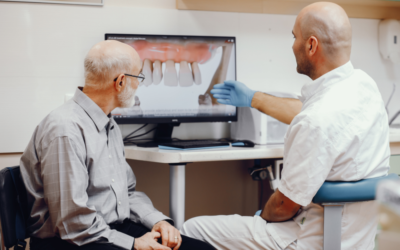
Your dentist evaluates your teeth, gums and bite. Photos and digital scans may be taken for planning.
Design and Planning
You discuss your goals and preferred outcome. Your dentist then recommends suitable treatments. In many cases, digital mock ups or previews help you picture your new smile before any work is completed.
Treatment Visits
Whitening is often performed first. Veneers, bonding and crowns follow once the shade has been finalised. Each step is designed to create harmony across your smile.
Final Shaping
At the final visit, your dentist checks your bite and makes small adjustments so your teeth feel comfortable when speaking and eating.
6. How Long Results Last
Duration varies by material and care habits. With proper hygiene and regular check ups:
Veneers often last ten to fifteen years
Crowns can last longer with stable support
Whitening results are maintained with periodic top ups
Avoid biting hard objects. Brushing twice daily and attending dental visits help maintain your outcome.
7. Costs and Considerations
The cost of a makeover depends on the treatments included. Your dentist will provide a detailed plan. Factors that influence pricing include:
Number of teeth being refined
Choice between porcelain or composite materials
Laboratory work required
Diagnostic imaging
Follow up visits
Some adults complete treatment in stages to suit their schedule.
8. Frequently Asked Questions
How long does a smile makeover take?
Timing depends on which treatments you choose. Whitening may be completed in one visit while veneers and crowns require several appointments.
Is the process comfortable?
Most treatments cause little discomfort. Mild sensitivity after whitening or veneer preparation usually settles quickly.
Do veneers damage enamel?
Veneers require small adjustments to the surface of your teeth. These adjustments are minimal and protect the enamel by covering weak areas.
Will my smile look natural?
Modern porcelain and composite materials are designed to reflect light similarly to natural enamel. Your dentist will match the colour and shape carefully.
Can a makeover correct crooked teeth?
Minor crowding can be improved with veneers or bonding. More complex cases may need orthodontic treatment before cosmetic work.