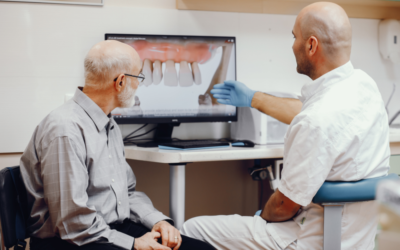
A painful tooth can affect your day quickly, and many patients worry about needing major dental treatment once discomfort becomes hard to ignore. A root canal with crown treatment often becomes the recommended solution when decay or infection reaches the deeper layers of a tooth. This approach protects the tooth more reliably than a root canal alone. If you live in Ashburn or a nearby area and want clarity on what the treatment involves, this guide gives you the answers you need.
Summary
Root canal with crown treatment removes infected tissue from inside the tooth and restores its strength with a protective crown. Many patients in Ashburn choose this option because it offers long-term stability, comfort and a natural appearance.
Table of Contents
How a Root Canal Works
Why a Crown Is Often Needed
Risks and Considerations
Aftercare and Recovery
Cost Factors
About Ashburn Dental Care
Frequently Asked Questions
How Root Canals Work
When tooth decay or injury reaches the pulp, inflammation and infection can develop rapidly. A root canal removes the inflamed or infected pulp, cleans the inner canals and prevents bacteria from spreading. This treatment saves the tooth and avoids more severe complications.
What Happens During the Procedure
A dentist creates a small opening in the top of the tooth, removes the infected pulp and thoroughly disinfects the canals. After shaping the canals, a biocompatible filling material seals them to stop bacteria entering again.
Why Patients Should Not Delay Treatment
Pain and infection rarely resolve without care. Delaying treatment increases the risk of swelling, abscess formation and tooth loss.
Why Crowns Are Used After a Root Canal
Once the pulp is removed, the tooth loses some of its natural resilience. This leaves the outer structure more vulnerable to fractures. A crown restores the tooth’s strength, stability and function while also improving appearance.
Crowns also improve bite comfort because they distribute pressure evenly. Without this support, a treated tooth may crack under chewing force.
Learn more about your options here: dental crowns
Risks and Considerations
Root canal with crown treatment is safe for most patients, although a few points deserve attention.
Possible Symptoms After Treatment
Mild tenderness for a few days is normal. Pain relief usually helps. If discomfort persists, a follow-up visit may be needed.
Less Common Concerns
• A crown needing slight adjustment
• Gum sensitivity during cleaning
• Rare reinfection
• Cracks in the tooth if the crown is delayed too long
Aftercare and Recovery
Most patients resume normal activities the same day. Following aftercare instructions supports comfort and long-term success.
Immediate Care Tips
• Avoid chewing on the treated side until the permanent crown is fitted
• Choose softer foods
• Brush gently around the area
Long-Term Oral Habits
Crowns often last ten to fifteen years with proper hygiene. Patients who grind their teeth may benefit from a night guard.
Cost Factors
Costs vary depending on:
• Severity of infection
• Type of crown
• Number of canals
• Diagnostic imaging needs
• Follow-up requirements
Insurance may cover part of the cost.
About Ashburn Dental Care
Ashburn Dental Care provides supportive guidance for patients considering root canal with crown treatment. Their focus on communication and comfort helps patients feel confident in their decisions.
You can schedule a visit using their online form:
book an appointment at Ashburn Dental Care
Frequently Asked Questions
1. Do all root-treated teeth need a crown?
Back teeth usually need a crown because they endure stronger chewing pressure.
2. How long does a root canal take?
Most cases take sixty to ninety minutes.
3. Will the treatment be painful?
Anaesthesia keeps patients comfortable. Mild sensitivity afterward is common.
4. How long does a crown last?
Crowns often last ten to fifteen years with routine care.
5. Can an infected tooth heal without treatment?
No. Once bacteria reach the pulp, the tooth cannot heal without professional care.