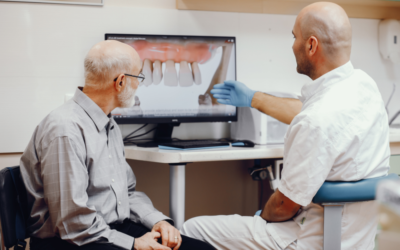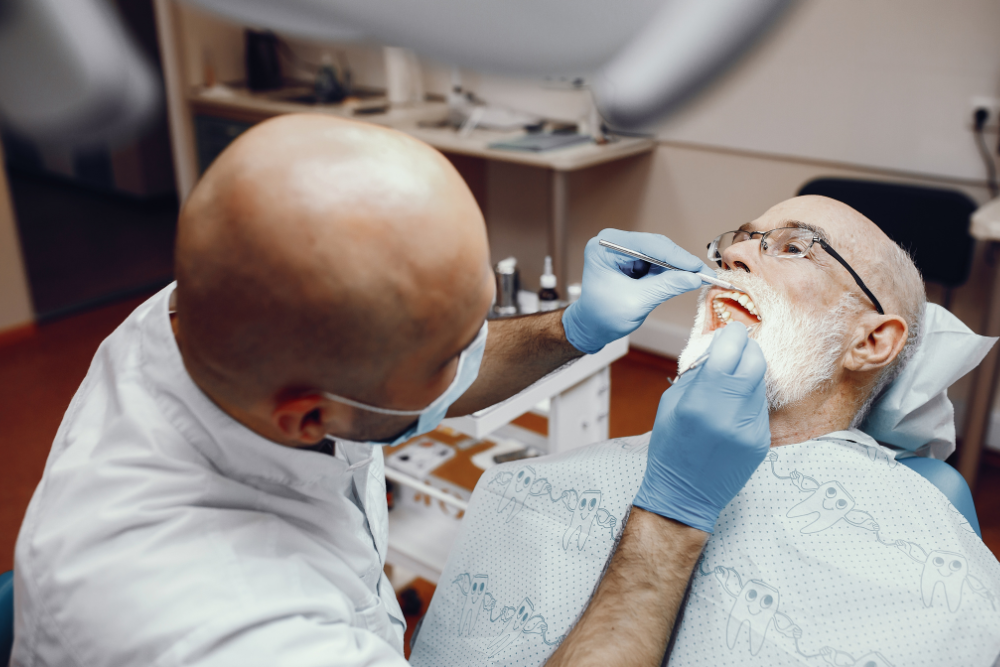
Many patients come to the clinic feeling unsure about the best way to restore missing teeth. It is completely normal to want clarity before choosing a treatment that affects how you eat, speak and smile every day. Dental implants and dentures both offer dependable ways to rebuild your smile, but they support your comfort, confidence and lifestyle in different ways. This guide explains those differences in a warm, easy-to-understand way so you feel informed and supported as you make your decision.
Summary
Dental implants and dentures both replace missing teeth, but they offer different experiences in terms of comfort, stability, appearance and long-term benefits. Implants feel the most similar to natural teeth and help maintain jawbone health. Dentures remain a flexible and cost-friendly choice, especially when several teeth are missing. The best option is the one that aligns with your goals, oral health and day-to-day comfort needs.
Table of Contents
Understanding Dental Implants
Understanding Dentures
Key Differences Between Implants and Dentures
Which Option Supports a Confident Smile?
How Ashburn Dental Care Helps You Choose
Frequently Asked Questions
Understanding Dental Implants
Dental implants are long-lasting replacements designed to feel and function very close to natural teeth. A small titanium post is placed in the jawbone, where it integrates securely over time. A custom crown is then fitted on top, creating a stable and natural-looking tooth.
Why Many Patients Prefer Implants
Implants stay fixed in place, allowing you to speak and eat without worrying about movement. This stability often helps patients feel more at ease in social settings. Another important advantage is jawbone support. Missing teeth can lead to bone loss over time, but implants stimulate the jaw in a similar way to natural roots, helping maintain bone strength.
Longevity and Value
With proper care, implants can last many years. Patients often describe them as an investment in comfort and confidence because they rarely need adjustments.
Understanding Dentures
Dentures have helped millions of people restore their smiles. They are removable appliances designed to replace several or all missing teeth.
Full and Partial Dentures
• Full dentures restore an entire arch
• Partial dentures fill specific gaps when natural teeth remain
Modern dentures are lighter, more natural-looking and more comfortable than older styles.
Why Some Patients Choose Dentures
Dentures do not require surgery and usually have a lower upfront cost. They are a suitable choice for patients who prefer a non-invasive option or who have multiple missing teeth.
Fit and Maintenance
Because gums and bone can naturally change shape over the years, dentures may require periodic adjustments to maintain a secure and comfortable fit.
Key Differences Between Implants and Dentures
Choosing the right option depends on your goals, health and what you want from your daily experience.
Comfort and Stability
Implants feel the closest to natural teeth. They do not slip or shift while eating or speaking. Dentures can also be comfortable but may need adjustments over time, especially if the bone beneath them changes.
Appearance and Confidence
Both options can look natural. However, implants tend to blend more seamlessly with your smile because each crown is individually crafted to match your teeth.
Jawbone and Long-Term Health
Implants support jawbone health by stimulating bone tissue. Dentures sit on top of the gums and do not provide this stimulation.
Cost and Long-Term Investment
Dentures are more affordable at the start. Implants have a higher upfront cost but offer long-term value, stability and reduced maintenance.
Lifestyle Fit
If you want a fixed solution that feels natural, implants may be ideal. If you prefer a removable option or want to avoid surgery, dentures could be the better choice.
Which Option Supports a Confident Smile?
A confident smile depends on how secure, functional and comfortable your teeth feel every day. Many patients appreciate implants for their stability and natural feel. Others value the affordability and simplicity of dentures. There is no one-size-fits-all answer the best choice is the one that supports your comfort, appearance and long-term oral health.
How Ashburn Dental Care Helps You Choose
At Ashburn Dental Care, your comfort and understanding come first. The team takes time to learn about your goals, lifestyle and oral health before recommending a solution. Whether you are considering implants, dentures or a combination of both, you will receive guidance designed to help you feel confident at every step.
If you are ready to explore your options, you can book a visit here
Frequently Asked Questions
Q. Can implants and dentures be used together?
Yes. Implant-supported dentures offer enhanced stability and are popular among patients who want a secure fit.
Q. Are implants painful?
Most patients describe the procedure as more comfortable than expected. Temporary soreness is normal.
Q. How long do dentures last?
With good care, dentures often last five to eight years before needing replacement.
Q. Is age a factor for dental implants?
Age is not a barrier. Jawbone health and overall suitability matter more than age.
Q. Which option is easier to maintain?
Implants are cared for much like natural teeth. Dentures require cleaning and may need fit adjustments over time.